

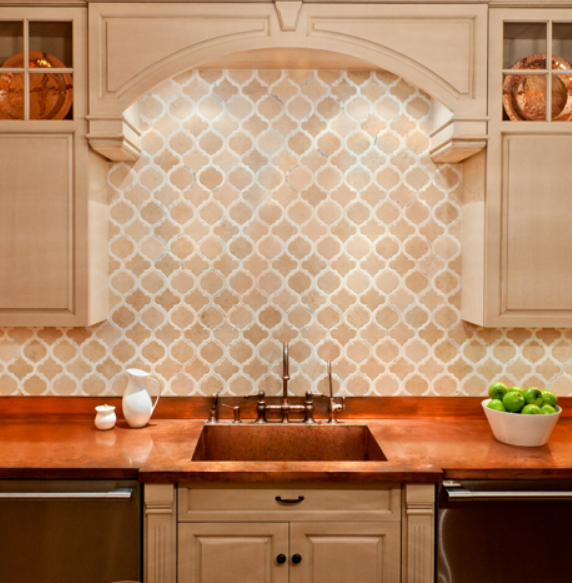
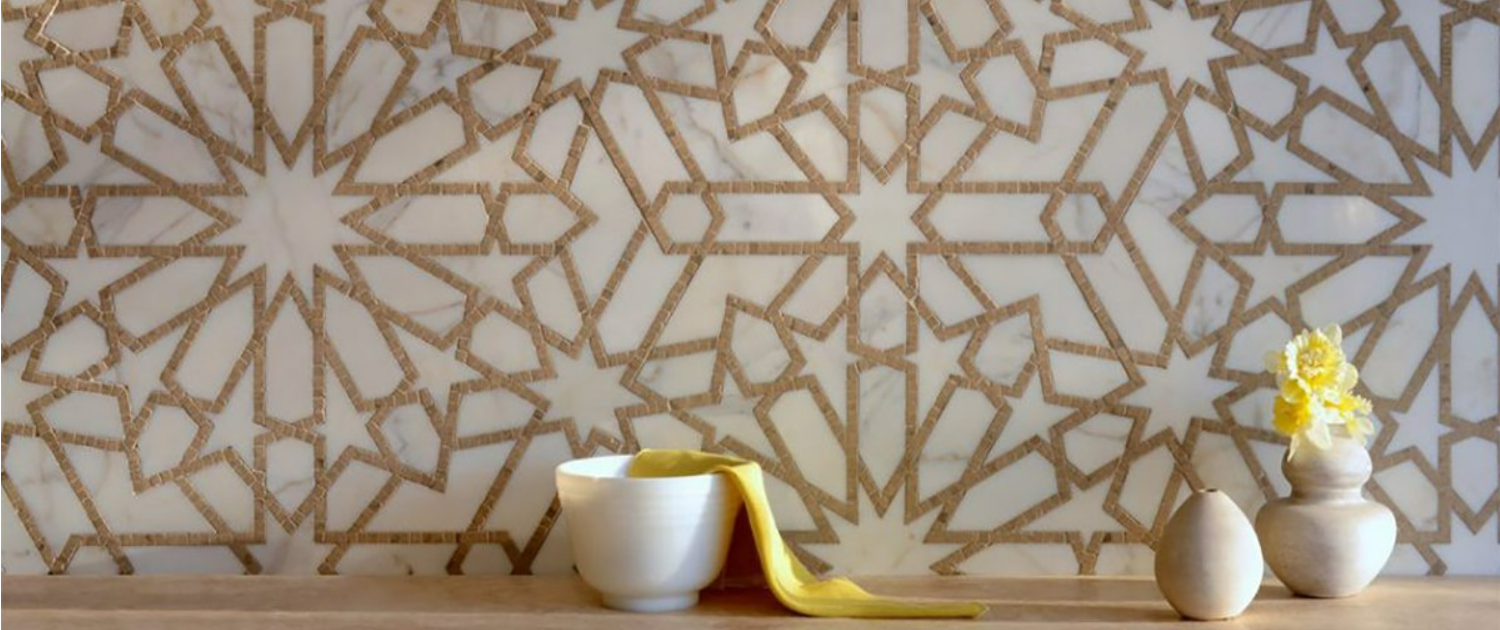

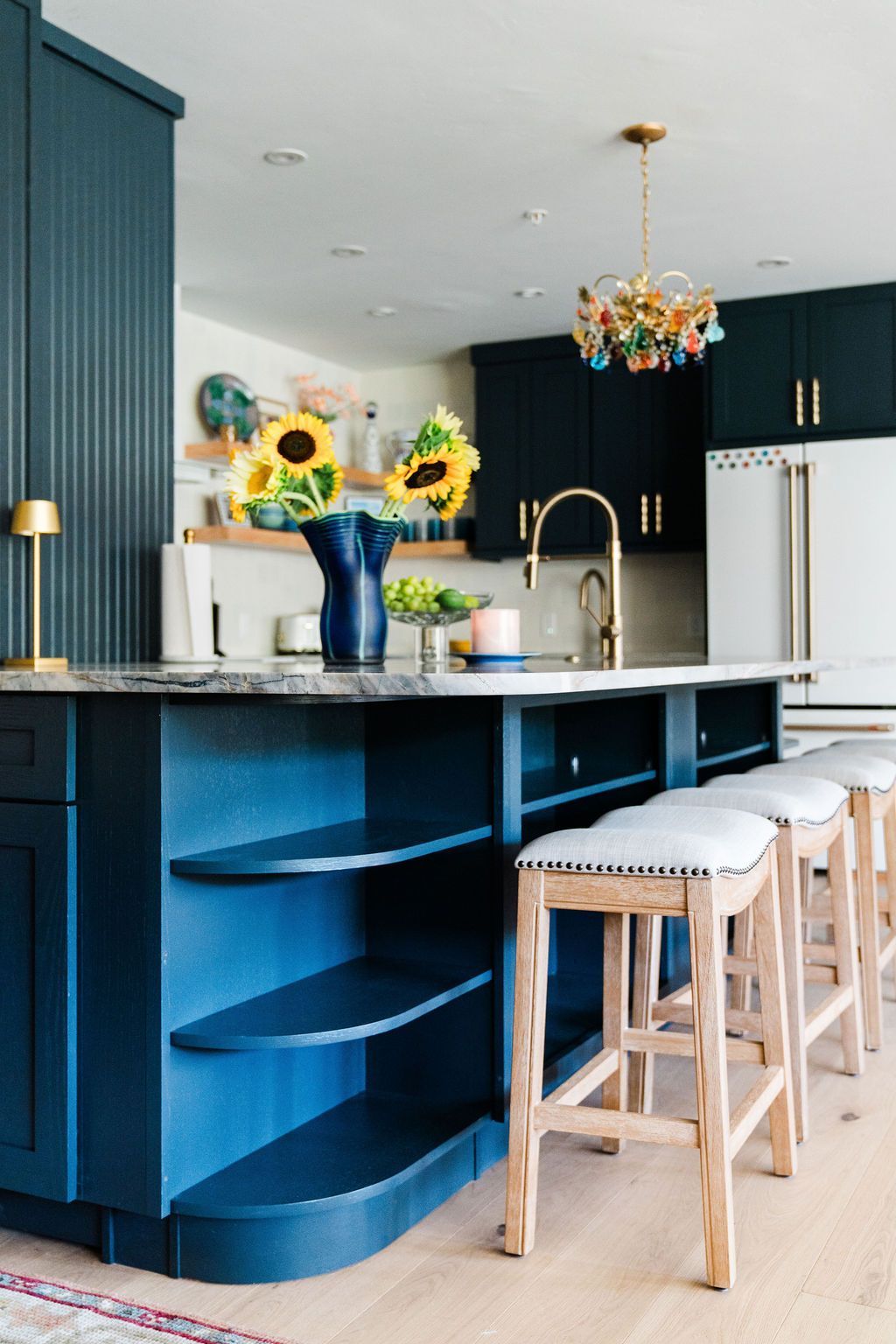
Having had the pleasure of working with Kirsten and John on previous projects, we already knew that this kitchen remodel was going to be something special. Kirsten and John are a warm, joyful couple whose positive energy is reflected throughout their home. We had previously installed beautiful Austrian Misty White Oak engineered hardwood flooring from Scheucher throughout their condo, as well as transformed their powder room into a colorful, blissful retreat. For the powder room, we paired a whimsical Wildflower mural wallpaper with gold fixtures and a black James Martin vanity. So when Kirsten and John invited Paradise Interiors back to redesign their kitchen, we knew we were in for another fun and creative project. And because we had previously worked at The West Wall Lodge on Mt. Crested Butte, we also knew that this project would come with its share of challenges.
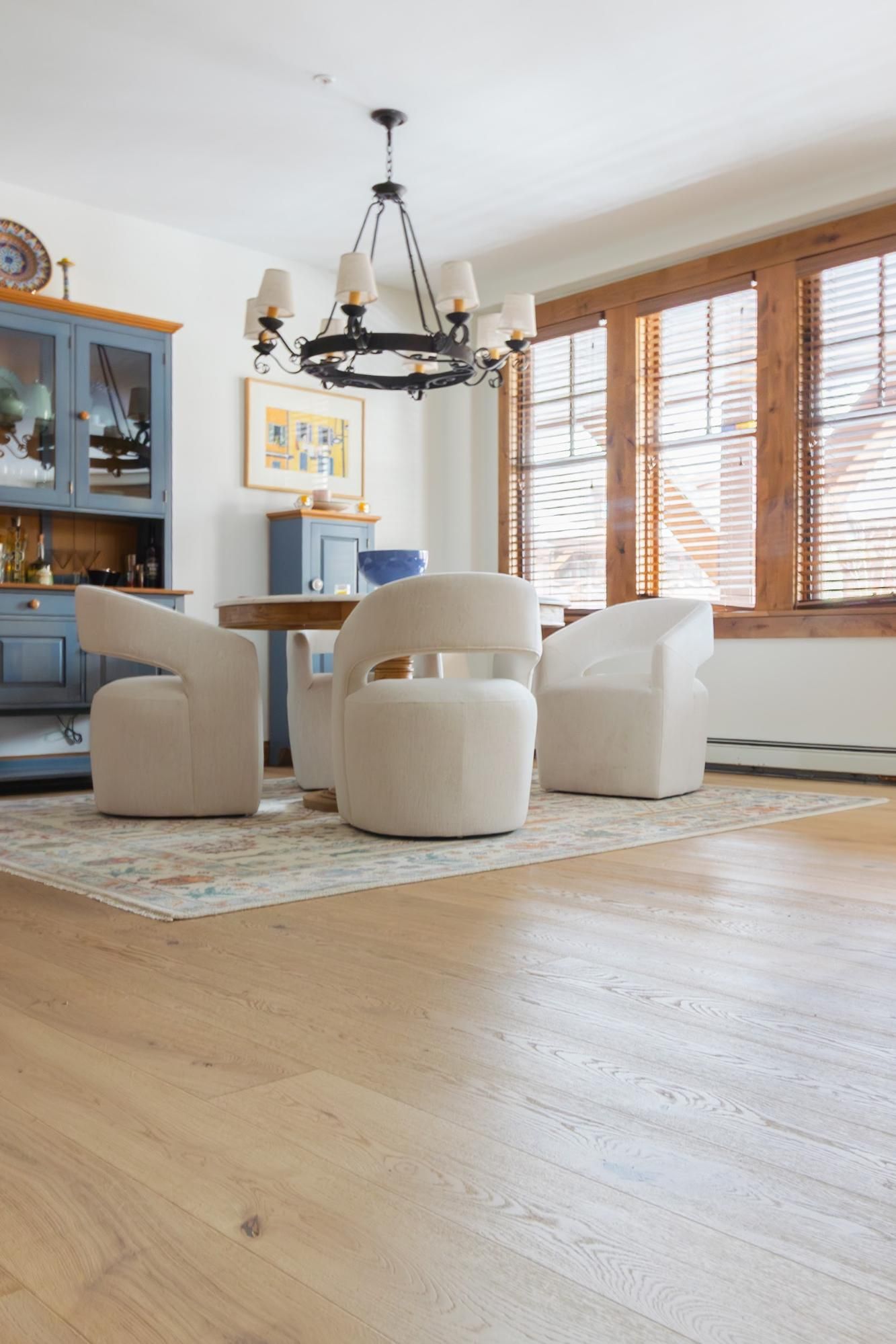
When Kirsten and John were given the chance to relocate to Mt. Crested Butte, they jumped at the opportunity—and we’re so glad they did! Their move brought them to one of Colorado’s most breathtaking communities, and it also brought them to us. Paradise Interiors was lucky enough to work with this amazing couple to transform their newly acquired mountain condo into a home that truly reflects their vibrant, joyful spirits. A Dream Property With Unmatched Mountain Views Their condo was already a dream: ski-in/ski-out access, a covered deck overlooking sweeping views of the mountain and the Base Area, and sunlight spilling into almost every corner. But while the location was unbeatable, the interior needed some thoughtful updates to feel like “them.” Kirsten and John wanted a home that celebrated warmth, style, and character—something bright and lively, just like the two of them. Together, we got to work bringing that vision to life.
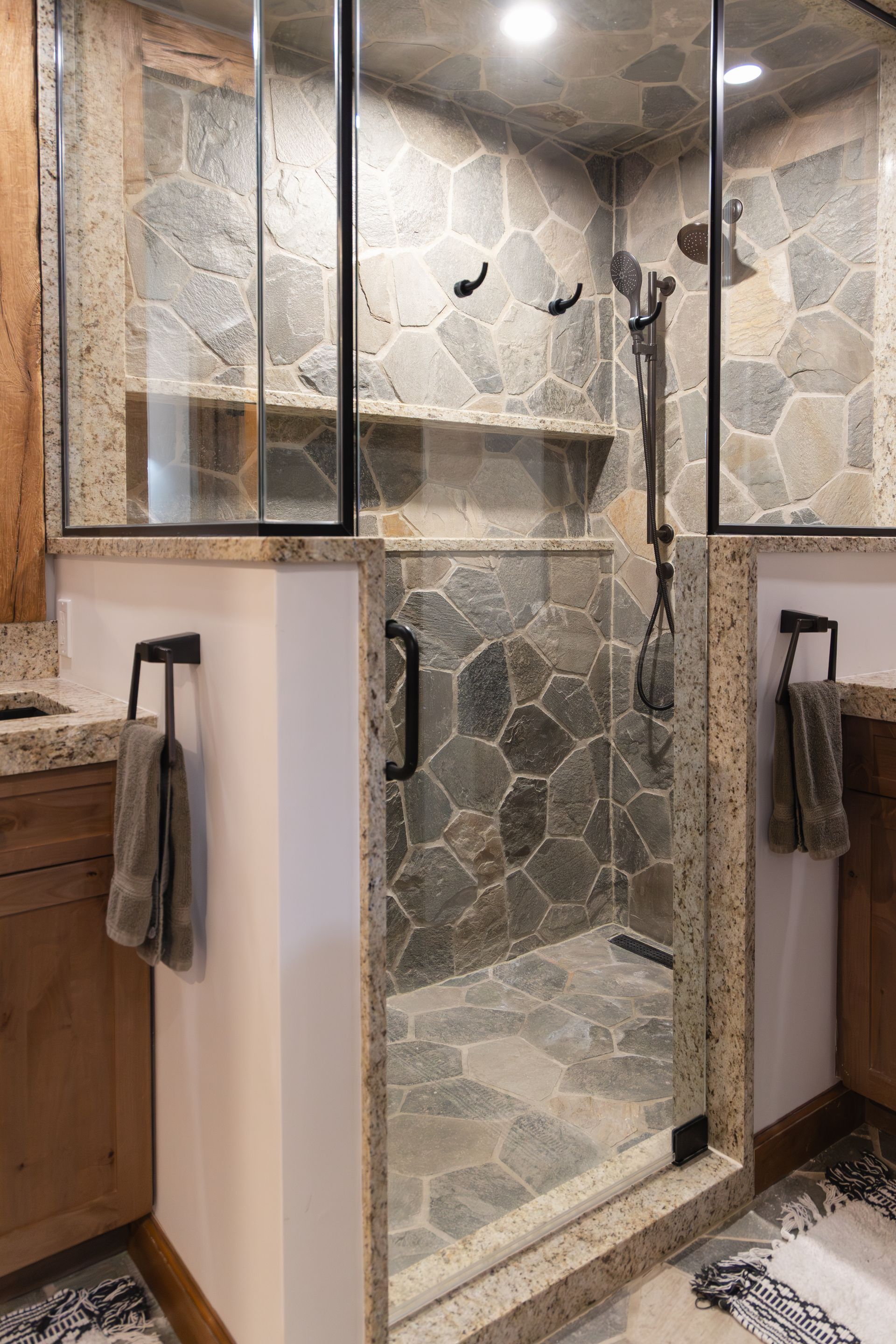
Location: Crested Butte Mountain Resort, Colorado Just steps from the ski lifts, The Lodge at Mountaineer Square is one of Crested Butte’s most desirable slopeside destinations. Built in 2006–07 as part of the Mueller family’s first major development after acquiring the resort, this luxury property combines mountain charm with modern convenience—making it a favorite for those seeking upscale comfort in the heart of the action. When our clients purchased their Mountaineer Square condo, they came to Paradise Interiors to help them reimagine and refine their mountain retreat—transforming a dated space into a timeless, functional, and inviting home that celebrates Crested Butte’s natural beauty. Overcoming Structural Challenges Like many buildings constructed on the mountain during that era, the Lodge’s structure features steel-reinforced walls, concrete floors, and interconnected plumbing systems , making remodeling no small feat. Our clients wanted to reconfigure their layout—moving walls and relocating plumbing to improve flow and function. However, 4-inch-thick concrete floors and metal supports required precise engineering and careful craftsmanship. To reroute plumbing for new showers, sinks, and toilets, our team meticulously chiseled new pathways, refilled the concrete, and coordinated the work with building management—since all units share a single water shutoff. Even with these challenges, Paradise Interiors completed the remodel efficiently and without disrupting neighboring units , demonstrating our expertise in complex, high-end mountain renovations. The Design Process This remodel unfolded in carefully planned phases, allowing our clients to transform their space over time. Phase One focused on enhancing the main living areas—installing new hardwood floors, custom countertops, a stunning fireplace design, and a recessed bar that now serves as the home’s focal point. The result was a sophisticated balance of rustic mountain warmth and modern luxury. Phase Two brought new life to the bathroom and closet in the “lock-out” suite. The clients needed more storage, comfort, and visual cohesion with the rest of their home. Working closely with them, we curated materials and finishes that elevated the space from a dated 1990s bathroom to a mountain-inspired spa retreat —complete with natural textures, layered lighting, and timeless craftsmanship. Featured Materials & Finishes Canyon Creek Cabinetry in Rustic Alder with natural stain and artisan distressing Chiseled-edge granite countertops and shower trim by Slate River Marble & Granite Gunmetal Gray Ruvati undermount sinks Custom framed LED mirrors by Artoforma MSI & Glazzio stone and tile selections throughout Handmade cowhide barstools from Rosemay Decor (UK) Each element was selected to harmonize with the natural palette of the surrounding mountains—bringing the outside in through organic texture, durable materials, and understated elegance. Bringing Mountain Luxury to Life This project at The Lodge at Mountaineer Square highlights Paradise Interiors’ ability to blend creative design with technical expertise —transforming even the most challenging spaces into luxurious mountain sanctuaries. Whether you’re updating a single room or planning a full-scale renovation, our team is here to help you realize your vision. From concept to completion, we manage every detail with precision, care, and artistry. 📞 Ready to start your Crested Butte remodel? Contact us today to schedule your consultation and discover how we can bring your mountain home dreams to life.
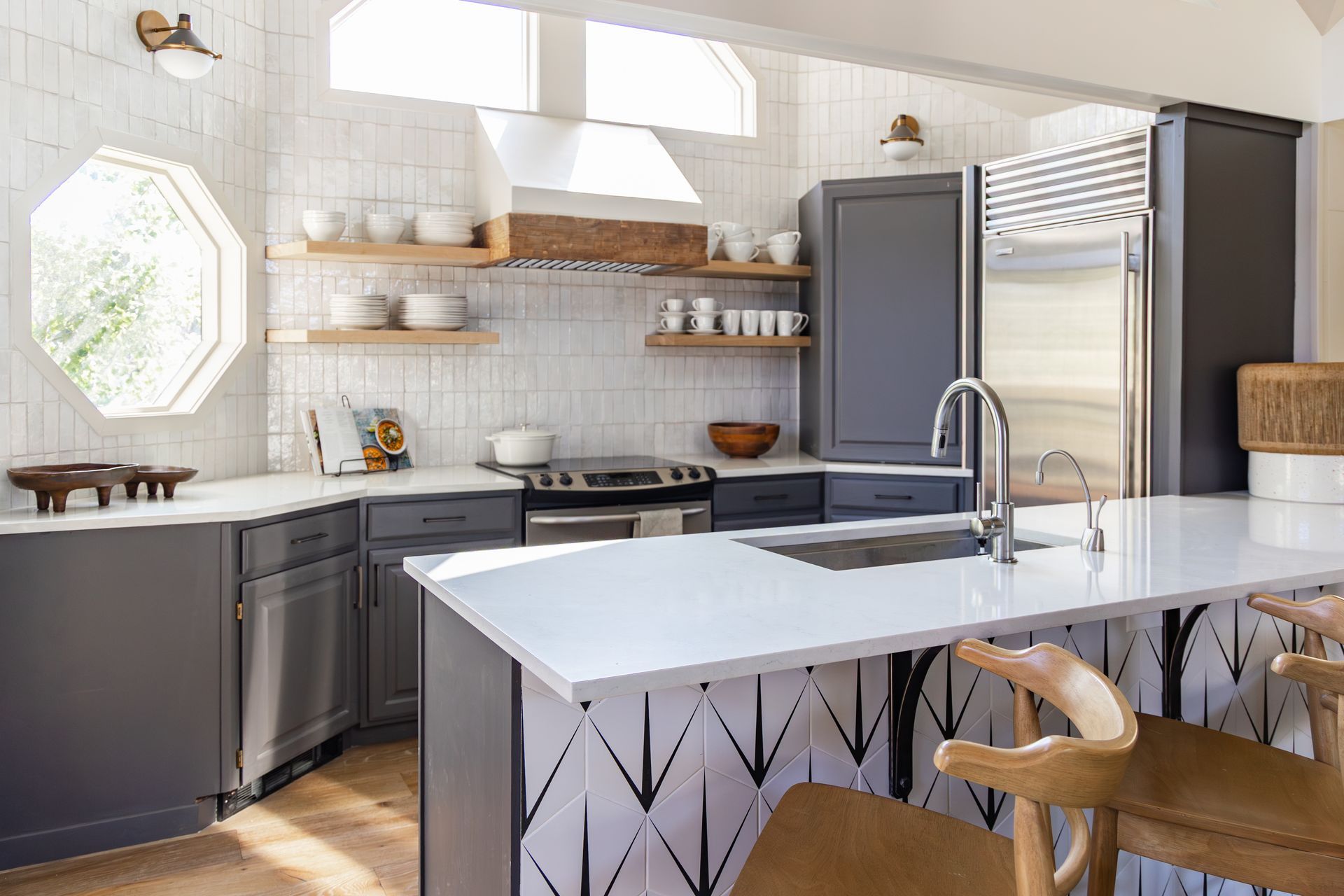
At Paradise Interiors , we believe every home in the Crested Butte deserves to be as unique as the people who live in it. That’s why our interior design process is completely customized to each client. Whether you love being involved in every detail or prefer to let our experts handle everything from start to finish, we adapt our approach to fit your style, schedule, and comfort level. Our goal is simple: to make your remodel or new build beautiful, functional, and stress-free . Step 1: The Initial Design Consultation Your design journey begins with a one-on-one consultation—either in our Crested Butte showroom, on-site at your home, or virtually. This is where we get to know you: your project goals, your design preferences, and how you live in your space. From there, our designers curate personalized selections that bring your vision to life—whether you know exactly what you want or need inspiration and guidance. Every project includes a detailed Design Deck , created to organize your ideas and selections in one easy-to-navigate format. Each deck features: Pricing and product details Box quantities and square footage Layouts, elevations, and visual boards Style notes and finish samples It’s everything you need to make confident, informed design decisions that fit both your aesthetic and your budget. Step 2: Designing Within Your Budget Dream design doesn’t have to mean overspending. When you share your budget with us, our designers tailor selections and materials to deliver maximum impact for your investment. Because we’re not just designers—but also installers —we can streamline your project by coordinating labor, materials, and timelines with our trusted in-house craftsmen and subcontractors. That makes Paradise Interiors your one-stop shop for complete design-build services in Crested Butte and beyond. Already have your own installers? No problem! You’ll still receive the same exceptional design support and clear communication, plus optional labor quotes for reference. Step 3: Visualizing Your Dream Home Many clients find it difficult to picture how a design will look once completed—and that’s where our expertise makes all the difference. We provide physical samples to see and feel in your home and offer digital renderings so you can visualize your new space before committing to any purchases. Our team takes the uncertainty out of the process, helping you make decisions with confidence. Step 4: From Design to Installation Our commitment doesn’t end once your design is finalized. Our designers are hands-on throughout installation , ensuring that every detail is executed to perfection. We make weekly site visits to monitor progress, maintain quality, and keep you updated with photos and reports—so you always know exactly how your project is coming along. At Paradise Interiors, customer service is our specialty . We pride ourselves on communication, transparency, and genuine care for your home. Why Choose Paradise Interiors When you work with Paradise Interiors, you’re not just hiring a designer—you’re gaining a dedicated partner invested in your project’s success. Our team combines creativity, craftsmanship, and construction expertise to deliver interiors that are not only stunning but built to last. Whether you’re refreshing a single room or transforming your entire home, we make design simple, seamless, and inspired. Ready to Start Your Dream Project? Let’s create a home you’ll love for years to come. Call Paradise Interiors today to schedule your initial design consultation or visit our Crested Butte showroom to explore our materials, finishes, and inspiration boards in person. Paradise Interiors — Where Colorado design meets craftsmanship, creativity, and care.
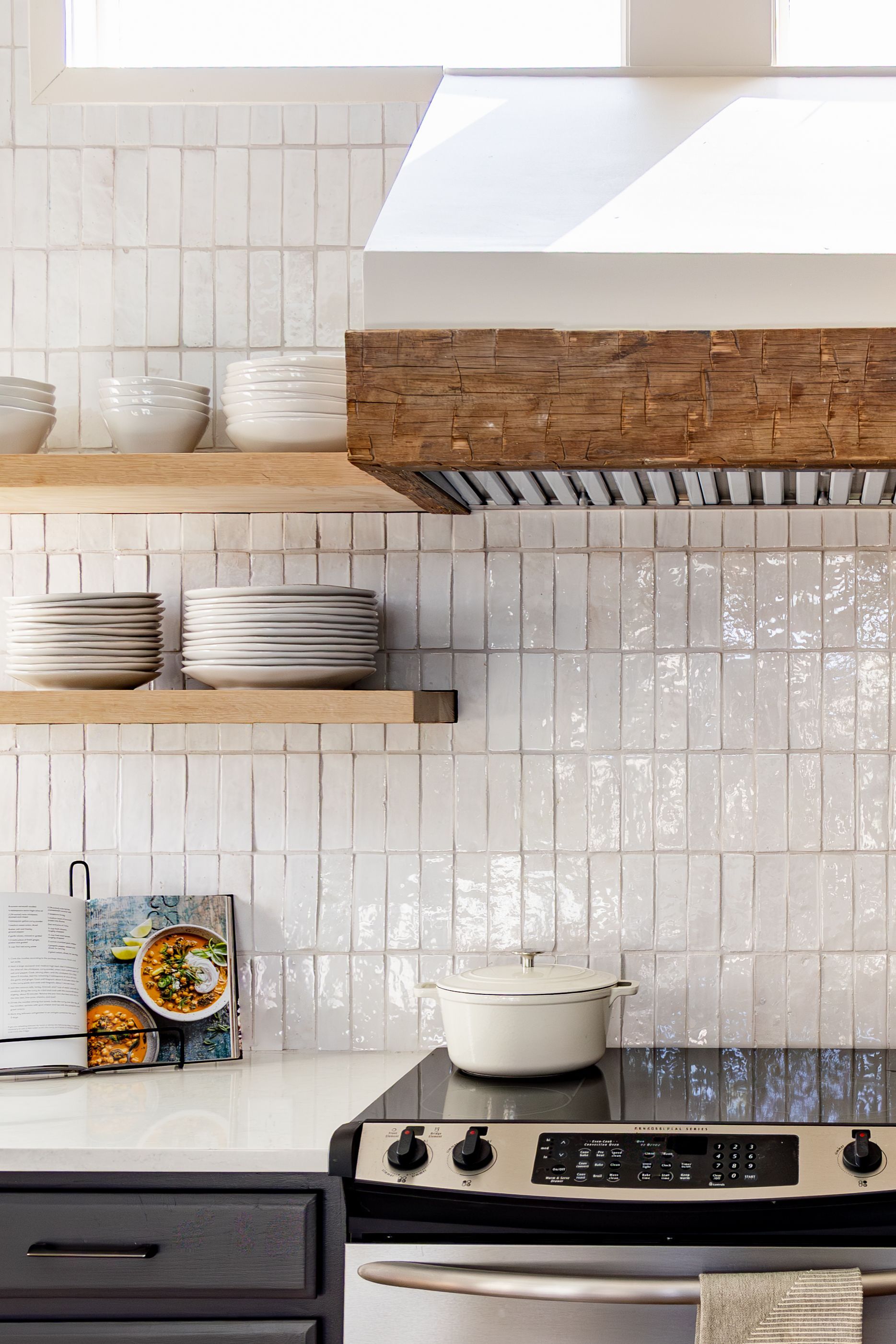
Discover how Paradise Interiors transformed a Crested Butte home with eco-friendly design, reclaimed wood, and custom glass features.
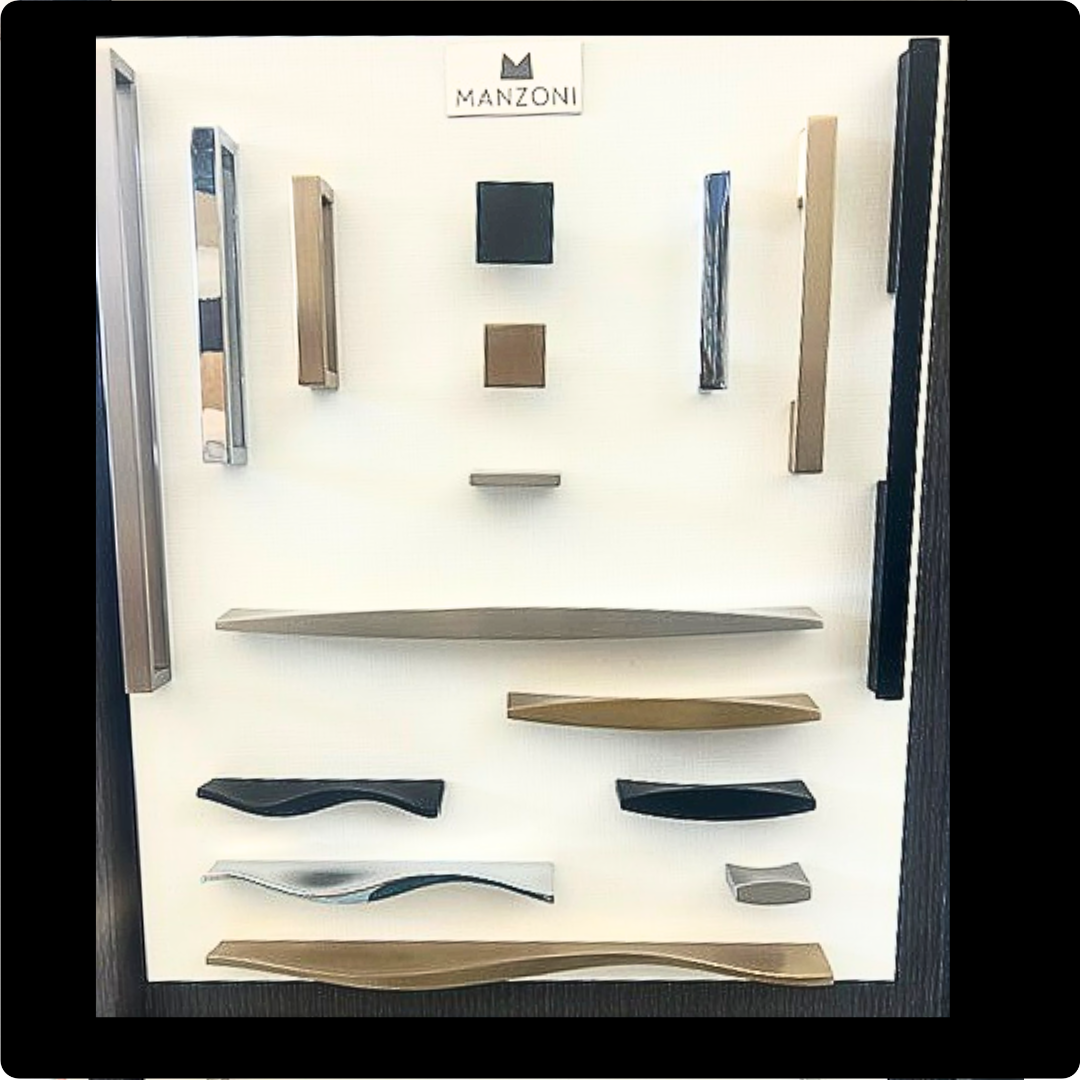
At Paradise Interiors, we know that the details make all the difference. Cabinet hardware, often an afterthought, has the power to transform a room. The right knob or pull isn’t just functional—it’s a statement of style, elegance, and craftsmanship. That’s why we’re thrilled to announce our new partnership with Ashley Norton, a leader in premium architectural hardware. Together, we’re bringing you a stunning selection of hardware to elevate your spaces effortlessly. Why Hardware Matters Think about how often you interact with cabinet hardware throughout your day—opening a kitchen drawer, reaching into a bathroom cabinet, or admiring the finishing touches on your favorite furniture. Well-made hardware doesn’t just look beautiful; it enhances your everyday life by offering comfort, durability, and a touch of luxury. Investing in heirloom-quality hardware is one of the simplest ways to enhance your space. Whether you’re embarking on a complete kitchen remodel, refreshing a bathroom, or updating a vintage furniture find, selecting the right hardware can bring a space to life. How to Choose the Perfect Hardware Choosing hardware doesn’t have to be overwhelming. A helpful rule of thumb for drawers is the 1:3 ratio—opt for a pull that’s one-third the width of the drawer face. For example, a 12-inch drawer pairs beautifully with a 4-inch pull. When it comes to cabinet doors, pulls between 5 to 7 inches work well, with larger sizes lending a modern, bold look. And now, with Ashley Norton hardware available at Paradise Interiors, your options for size, style, and finish are more refined than ever. Introducing Ashley Norton: Craftsmanship Redefined Ashley Norton began their journey in 1987 with a mission to solve design and installation challenges in the hardware world. Using cutting-edge European engineering techniques, they quickly earned a reputation for crafting hardware that is not only visually stunning but also easy to use and install. Their product line expanded with the Solid Bronze Collection in the late '90s, allowing homeowners to carry a consistent design theme across interior and exterior spaces. From residential homes to luxury resorts like the Bellagio in Las Vegas and Half Moon in Jamaica, Ashley Norton’s hardware is trusted by design professionals around the globe. Why Choose Ashley Norton? Ashley Norton offers unmatched quality and innovation. Here’s what sets them apart: Material Excellence : Solid Bronze and Solid Brass, crafted using advanced techniques for superior durability and design. Design Diversity : A wide range of styles, finishes, and designs to suit any aesthetic. Technical Precision : Engineered for comfort and longevity, featuring spring-assisted levers and ANSI Grade 1 certified locks. Eco-Friendly Practices : Recycled materials Iconic Designs for Iconic Spaces Ashley Norton’s hardware is trusted by top designers and has been featured in renowned projects like the Bellagio in Las Vegas and the Half Moon Resort in Jamaica. Now, through our partnership, you can bring that same level of elegance and craftsmanship into your home. Explore Ashley Norton at Paradise Interiors Whether you’re designing a new kitchen, upgrading a bathroom, or refreshing your furniture, Paradise Interiors and Ashley Norton have the perfect hardware to bring your vision to life. Visit our showroom to explore this exquisite collection and let our design experts help you find the perfect fit for your space. Elevate the everyday with Ashley Norton hardware—now available exclusively at Paradise Interiors. Go to these links to learn moore about the manufacturing process Brass - https://www.ashleynorton.com/ashley-norton/about-ashley-norton.aspx Bronze - https://www.ashleynorton.com/ashley-norton/about-ashley-norton.aspx
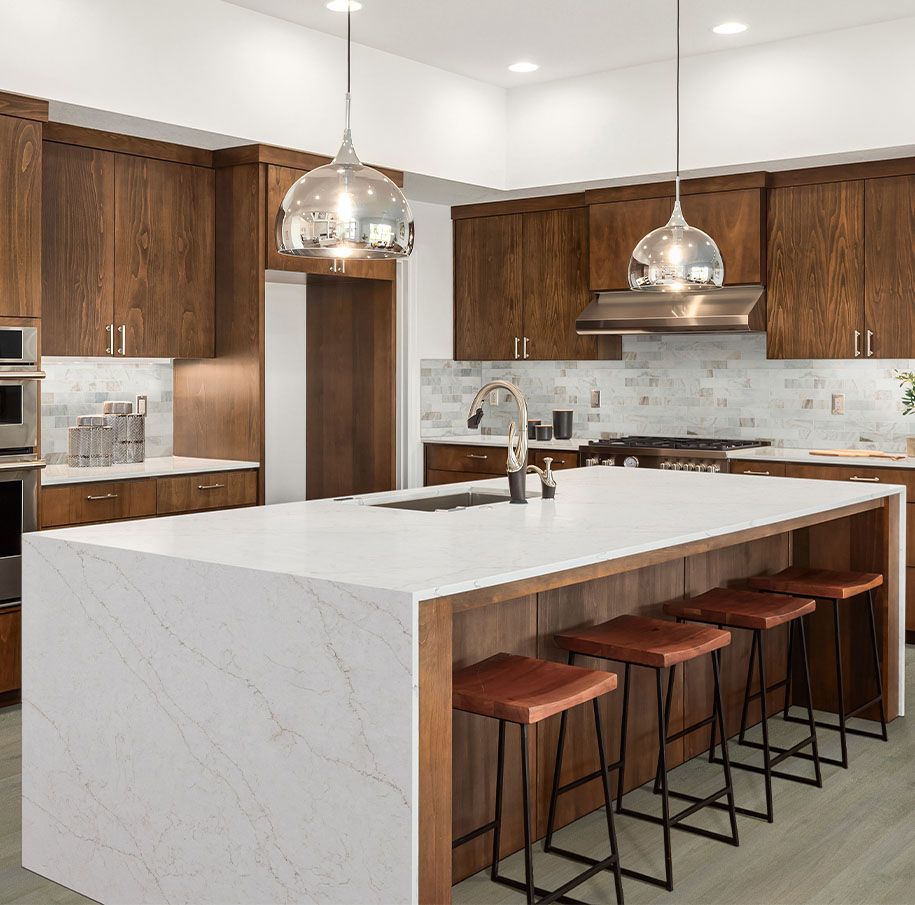
Choosing the Right Slab Material for Your Countertops: Granite, Quartz, or Quartzite? When it comes to designing your dream kitchen or bathroom, few decisions are as impactful as selecting the right countertop material. Your countertop is more than just a surface—it’s a long-term investment in style, functionality, and value. At Paradise Interiors, our Design & Build team knows how important it is to make an informed choice that balances beauty, durability, and budget. In this guide, we’ll break down the three most popular countertop materials: Granite , Quartz , and Quartzite —so you can choose the best fit for your home. Granite: The Timeless Natural Stone Granite countertops are a classic choice and remain the most popular natural stone surface in American homes. Formed from solidified magma deep within the Earth, granite is incredibly durable, distinctive, and elegant. Pros of Granite: Heat Resistance: Perfect for busy kitchens; won’t discolor if a hot pan touches it. Scratch Resistance: Tough enough for heavy use (though we still recommend cutting boards.) Stain Resistance: When sealed properly, granite resists most stains. Low Maintenance: Clean with a mild cleanser and soft cloth. Boosts Home Value: Adds luxury and resale appeal. Unique Aesthetic: Each slab is one-of-a-kind with natural variations in color and veining. Cons of Granite: Porous Surface: Requires periodic sealing to maintain stain resistance. Maintenance Products: Specialized stone cleaners are recommended to preserve the sealant. Price Range: Higher-end granite can be more expensive than quartz or quartzite. Best For: Homeowners looking for a luxurious, unique, and natural stone surface with long-term value. Quartz: Sleek, Durable, and Low Maintenance Quartz countertops are engineered surfaces made from around 90% crushed natural quartz mixed with polymers and pigments. With a sleek finish and consistent patterning, quartz offers the look of stone with the practicality of modern materials. Pros of Quartz: Non-Porous: Completely waterproof—no sealing required. Stain & Scratch Resistant: Built tough for real life. Low Maintenance: Wipe clean with all-purpose cleaner. Color Consistency: What you see in the showroom is what you get. Versatile Designs: Available in solid colors or engineered to mimic natural stones like marble or granite. Cons of Quartz: Heat Sensitivity: Can crack with extreme heat (use trivets or hot pads.) Not Eco-Friendly: Engineered product with synthetic resins. Price Point: Comparable to mid-range granite. Best For: Homeowners who want a hassle-free, modern look with zero sealing and plenty of style options. Quartzite: Natural Elegance Meets Durability Quartzite is often mistaken for quartz, but it's a completely natural stone formed when sandstone is subjected to intense heat and pressure. Its durability and marble-like appearance make it an elegant, high-performance choice. Pros of Quartzite: Natural Beauty: Often resembles marble with soft veining and light hues. Extreme Hardness: Harder than granite and highly scratch-resistant. Heat Resistant: Handles hot pots and pans like a pro. Natural Material: A renewable, earth-mined resource. Cons of Quartzite: Requires Sealing: Like granite, it must be sealed periodically to protect against stains. Limited Color Range: Most common in whites, grays, and beiges. Cost: Higher-end quartzite can be pricier than both granite and quartz. Best For: Those who love the look of marble but want more durability and less maintenance. How to Choose the Best Countertop for Your Home Not sure which stone is right for you? Ask yourself these three key questions: What matters most—stain resistance, scratch resistance, or etching? Quartz offers top resistance to all three. Granite performs well with stains and scratches. Quartzite excels at resisting etching and scratches. How much maintenance are you comfortable with? Quartz requires the least—no sealing, ever. Granite and Quartzite need periodic sealing but are easy to clean day-to-day. What’s your budget? Granite tends to be the most budget-friendly natural stone. Quartz offers great value for its durability. Quartzite can cost more but brings unmatched elegance and toughness. Pro Tip: Mix materials ! Use a premium stone on your kitchen island and a more affordable option for surrounding counters to stay within budget while achieving a designer look. Ready to Transform Your Space? At Paradise Interiors, we offer a curated selection of granite , quartz , and quartzite slab Samples—each carefully chosen for quality, beauty, and performance. Whether you're designing a modern kitchen, a spa-inspired bathroom, or a custom bar, our Design & Build team will guide you through the selection process to find the perfect countertop solution. Contact us today to schedule a consultation or stop by our showroom to see and feel the difference these surfaces make. Design. Build. Paradise Only at Paradise Interiors.
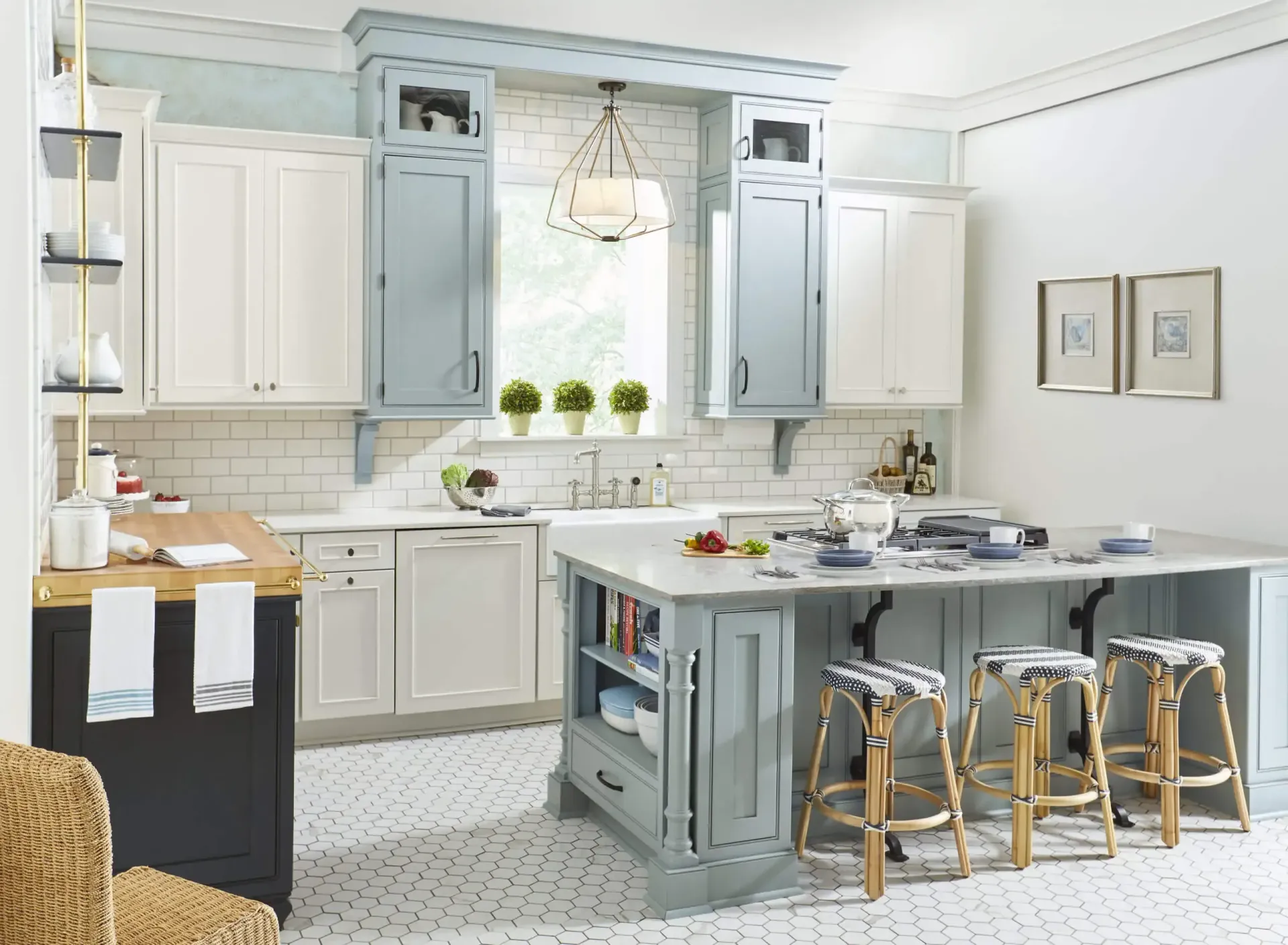
Wellborn Cabinets exemplify the values of quality, sustainability, and family heritage. Based in Ashland, Alabama, Wellborn is dedicated to supporting local communities and families by crafting high-quality kitchen and bath cabinetry, ensuring homeowners have access to superior, American-made cabinetry. With options ranging from framed, inlaid & frameless designs, Wellborn Cabinet offers craftsmanship you can trust, backed by a lifetime limited warranty on most of their cabinet brands. Choosing Wellborn means investing in sustainably crafted, durable cabinetry that enhances your home for years to come—all while supporting an American family-owned business. Wellborn Cabinet is deeply committed to sustainability and quality in every aspect of their craftsmanship, starting with the wood they use. All lumber is responsibly sourced from sustainable farms within a 200-mile radius of their factory in Ashland, Alabama, ensuring minimal environmental impact and support for local forestry communities. They offer a selection of premium wood species, including sugar maple, red oak & hickory prized for their strength and beauty, as well as painted MDF for versatile, modern designs. As a three-generation, family-owned business, Wellborn upholds a legacy of excellence, combining sustainable practices with meticulous craftsmanship to create cabinetry that is as environmentally conscious as it is timeless. Every piece reflects their dedication to supporting American families and protecting natural resources for generations to come.
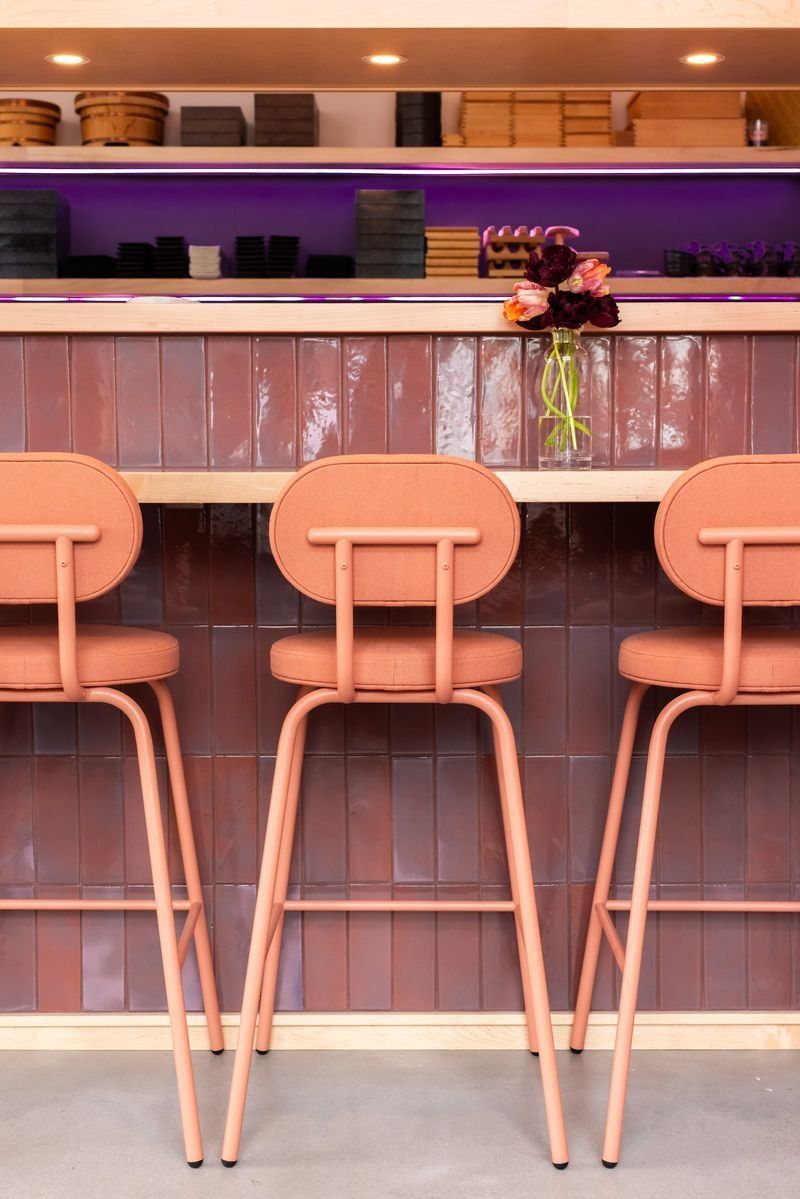
At Particular Tile, their journey began with a purpose: to address local environmental challenges while creating products of exceptional quality and beauty. They were founded to tackle two pressing issues—removing nuisance mud from our local reservoir and capturing methane escaping from abandoned coal mines. These challenges became their inspiration, and in every sustainable tile they produce, there’s a story of the land we strive to protect. Particular Tile’s mission goes beyond reducing harm; they aim to set a new standard by showing that manufacturing can actively reverse environmental issues. Clay Sediment: Transforming Waste into Beauty Every tile starts with clay sourced directly from our local reservoirs. Over decades, sedimentation has reduced the reservoir’s water storage capacity, threatening its functionality. By removing this high-quality clay, they not only restore our reservoirs but also repurpose what was once considered waste into stunning, handcrafted tiles. The more tiles they make, the more sediment is removed, creating a win-win solution for the environment and our clients. Climate Positive: Committing to a Cleaner Future Particular Tile is steadfast in their commitment to sustainability. They power their facility entirely with methane captured from local abandoned coal mines. Methane, a potent greenhouse gas, contributes significantly to climate change. By capturing, utilizing, or destroying as much methane as possible, they help to mitigate its impact and create a cleaner, more sustainable future in our valley. Methane Capture: Harnessing Energy from Waste Located near our reservoirs, abandoned coal mines leak large amounts of methane, contributing as much annual pollution as over 100,000 passenger vehicles. Particular Tile actively captures this waste methane and repurposes it as a renewable energy source. By doing so, they are not just reducing emissions; they are turning an environmental hazard into an opportunity for sustainable production. The Heart of Craft: Beauty Meets Responsibility Each tile they create is a testament to the intersection of art, sustainability, and innovation. From sourcing clay to crafting every piece by hand, Particular Tile pours care and intention into every step of the process. The result is a product that’s not only beautiful and durable but also a meaningful contribution to restoring our local environment. Particular Tile is proving that thoughtful design and responsible manufacturing can work together to create products that leave a lasting positive impact—on your home and the planet.
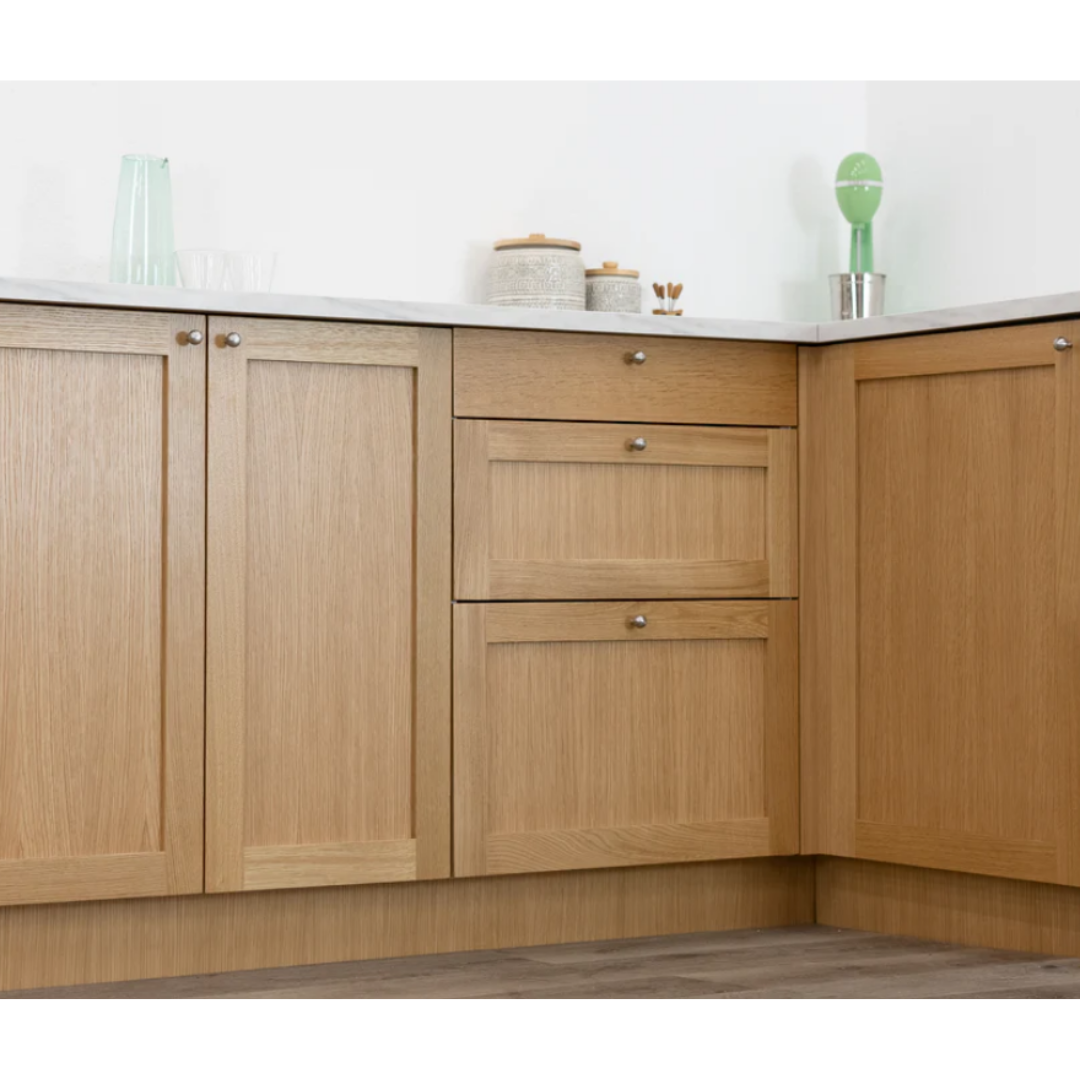
Why French White Oak Stands Out: Grain, Beauty, and Versatility French white oak has earned its reputation as one of the most desirable hardwoods in the world, renowned for its unique grain structure, durability, and versatility. Its popularity extends across industries, from high-end furniture making to wine barrel production. But what sets French white oak apart from other white oak varieties, particularly its American counterpart? Let’s explore the characteristics that make this wood so special. The Grain: A Mark of Elegance One of the most striking features of French white oak is its grain pattern. Unlike American white oak, which grows faster and develops wider grains, French white oak boasts a tighter grain structure. This difference is largely due to the slower growth rate of oak trees in France’s cooler climate and limestone-rich soils. The slower growth not only contributes to the wood’s density but also creates more aesthetically pleasing, uniform grain patterns, perfect for adding a touch of elegance to any design. Tannin Content: A Natural Advantage French white oak is also known for its higher tannin content, a result of its unique growing conditions. Tannins play a significant role in making French white oak highly sought after for wine barrels. These natural compounds enhance the flavor and aging process of wines, giving them depth and complexity. This characteristic has made French oak the preferred choice for winemakers worldwide, cementing its place in the wine industry. Applications Beyond Wine Barrels While French white oak’s role in winemaking is iconic, its applications extend far beyond. Its strength and beauty make it an excellent choice for: Flooring: The tight grain and rich tones of French white oak create stunning hardwood floors that are both durable and timeless. Furniture: From modern designs to classic pieces, French white oak brings sophistication and warmth to any setting. Architectural Elements: Beams, paneling, and cabinetry crafted from French oak add a luxurious touch to interiors. Sustainability and Quality The sustainability of French white oak is another reason for its appeal. Many French forests are managed responsibly, ensuring that this prized resource remains available for generations. Choosing French white oak means not only investing in a high-quality material but also supporting sustainable forestry practices. Key Takeaways French white oak stands out from other white oak varieties due to its tighter grain structure, higher tannin content, and overall superior aesthetic qualities. These characteristics, born from the slower growth in France’s unique climate and soil conditions, make it a favorite for high-end applications, from wine barrels to luxury interiors.